
Quick Summary
Waking up with tingling fingers? Struggling to grip, type, or sleep? These could be early signs of Carpal Tunnel Syndrome (CTS)—a condition caused by pressure on the median nerve in your wrist. While surgery can help in severe cases, early intervention with natural, science-based therapies is often enough.
At Evolution Medical Care, we offer an integrative approach including:
• Acupuncture to reduce inflammation and stimulate nerve repair
• Herbal medicine to support healing from the inside out
• Nutritional support like B vitamins, magnesium, and omega-3s
• Manual therapy and exercise to relieve pressure and restore function
• Lifestyle education to prevent flare-ups
You don’t have to put up with hand pain—most people improve without surgery when treated early.
When Your Hands Start Talking Back
You wake up in the night with tingling fingers. Typing feels clumsy. Gripping your morning coffee cup brings a dull ache. These subtle disruptions may not seem urgent at first, but they’re often the early whispers of carpal tunnel syndrome (CTS)—a condition that affects millions of people each year and can significantly impact quality of life if left untreated.

In today’s digital world, carpal tunnel syndrome is increasingly common, particularly among office workers, tradies, new mums, and anyone engaged in repetitive hand and wrist activities. While surgery can be helpful in severe cases, many people find significant relief through natural, non-surgical methods—especially when treatment starts early. At Evolution Medical Care, we take an integrative, science-based approach to managing carpal tunnel syndrome. This article explores effective, natural strategies for relieving CTS without surgery.
Understanding Carpal Tunnel Syndrome
The carpal tunnel is a narrow passage in the wrist formed by bones and a strong ligament. It houses the median nerve, which controls sensation in the thumb, index, middle, and part of the ring finger—as well as several tendons that flex the fingers.
When the space inside this tunnel becomes crowded—due to inflammation, fluid retention, repetitive strain, or anatomical variations—the median nerve becomes compressed. This nerve compression can lead to:
- Numbness or tingling (often at night)
- Burning or electric-shock-like pain in the hand or wrist
- Weakness and reduced grip strength
- Radiating symptoms into the forearm or elbow
Common Causes and Risk Factors
Several lifestyle and health-related factors increase the risk of developing CTS:
- Repetitive hand or wrist movements (e.g., typing, tools, driving)
- Hormonal changes, such as during pregnancy or menopause
- Underlying conditions like diabetes, hypothyroidism, or rheumatoid arthritis
- Obesity or fluid retention
- Anatomical factors like a narrow wrist structure or past fractures
Though often associated with work-related overuse, CTS is multifactorial, meaning that addressing just one cause (e.g. posture) may not be enough to resolve symptoms long term.
Why Ignoring It Can Make It Worse
Carpal tunnel syndrome may start subtly, but it can quickly progress if untreated. The median nerve is sensitive to both mechanical compression and biochemical inflammation. Prolonged pressure reduces oxygen supply and disrupts the normal function of nerve fibres. This can lead to:
- Loss of fine motor control
- Constant numbness (even at rest)
- Muscle atrophy at the base of the thumb
- Sleep disturbance and chronic fatigue
When the wrist is overused or irritated, the body responds by releasing chemicals like cytokines and prostaglandins to protect and repair the area. But if this response goes on too long, these chemicals can actually make things worse—causing more inflammation, swelling, reducing blood flow, and making the nerve more sensitive. This cycle not only increases pain but also slows down healing.
Postponing care often leads to the need for more aggressive interventions, including surgery. However, when caught early, CTS typically responds well to conservative, non-invasive treatment options—especially those that address both mechanical and inflammatory contributors.
How CTS Is Diagnosed
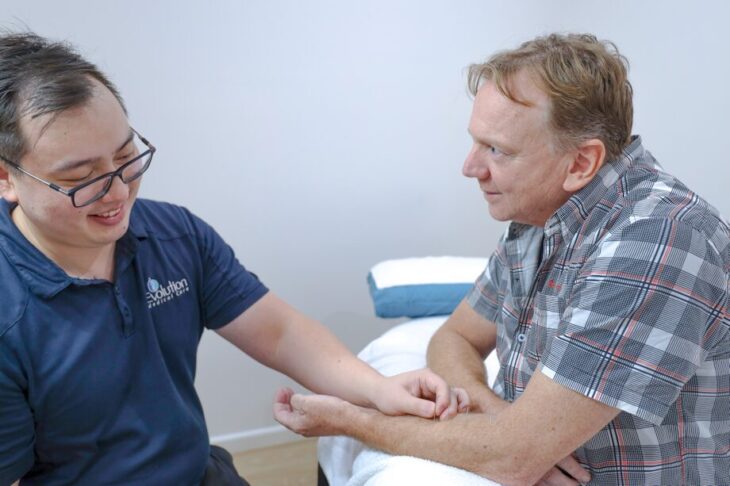
Getting an accurate diagnosis is the first step toward effective treatment. At Evolution Medical Care, we begin with a detailed case history and physical examination. Our goal is to determine not just if you have carpal tunnel syndrome, but why it’s happening, so we can tailor treatment to your specific situation.

Key Diagnostic Tools and Indicators
- History of Symptoms
Patients often report symptoms that worsen at night, when holding objects (like a phone or steering wheel), or after repetitive use. Numbness that excludes the little finger is a hallmark sign, as this finger is not innervated by the median nerve. - Physical Examination
Simple tests—such as tapping over the carpal tunnel (Tinel’s sign) or bending the wrist (Phalen’s test)—can reproduce symptoms. We also assess muscle strength, grip, and fine motor function. - Nerve Conduction Studies & EMG
In some cases, nerve conduction tests or electromyography (EMG) may be used to assess the speed and strength of signals through the median nerve. - Imaging (Ultrasound/X-ray)
While not diagnostic on their own, imaging can help rule out fractures, arthritis, or cysts that may be contributing to symptoms.
By confirming the diagnosis and identifying the root causes—be they structural, inflammatory, or metabolic—we can begin a more targeted and effective treatment journey.
Natural, Science-Based Treatments Offered at Evolution Medical Care
At Evolution Medical Care, we focus on integrative therapies that reduce inflammation, restore nerve function, and support the body’s natural healing mechanisms. Our approach is evidence-based, personalised, and aligned with modern scientific understanding of how the nervous system, immune system, and biochemical pathways interact in CTS.
Acupuncture for Nerve Modulation and Pain Relief
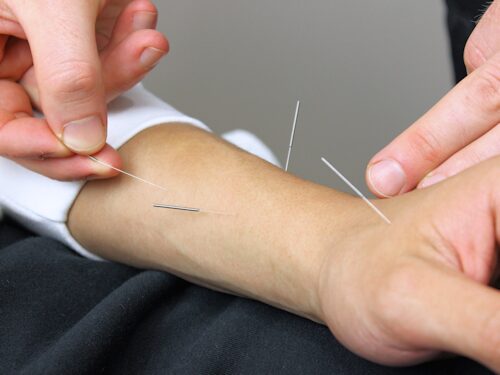
Acupuncture has shown promising results in managing carpal tunnel symptoms by:
- Stimulating neurotransmitter release (like endorphins and GABA) – These are your body’s natural pain relievers and calming chemicals. Acupuncture helps release them to ease discomfort and muscle tension.
- Increasing blood flow to the wrist and hand – Improved circulation brings more oxygen and nutrients to the area, supporting healing and reducing tightness.
- Modulating cortisol levels and reducing local inflammation – Acupuncture can help balance stress hormones, which in turn calms inflammation around the nerve.
- Supporting nervous system regulation – By influencing both the “fight-or-flight” (sympathetic) and “rest-and-digest” (parasympathetic) systems, acupuncture helps your body shift into a more relaxed, healing state.
Treatment typically involves needling local points around the wrist and distal points that address systemic imbalances. Many patients report improved sleep, reduced tingling, and less frequent flare-ups within a few sessions.
Herbal Medicine for Reducing Inflammation and Supporting Nerve Health
Our TCM herbal prescriptions are individually tailored to address both the local and systemic drivers of CTS. Key benefits include:
- Reducing pro-inflammatory cytokines and prostaglandins
- Supporting liver and kidney function (important in TCM terms, and also relevant to hormonal and metabolic balance)
- Improving microcirculation and tissue oxygenation
We may include herbs traditionally used to “move qi and blood” or clear “dampness,” but these actions correlate with improved vasodilation, immune modulation, and nerve nourishment in modern terms.
Nutritional Support and Supplementation
We also guide patients in using nutritional supplements shown to support nerve repair and reduce symptoms. These may include:
- Vitamin B6 and B12 – essential for healthy nerve function and myelin repair (a protective fatty coating that wraps around the nerves)
- Magnesium – supports muscular relaxation and nerve conduction
- Omega-3 fatty acids – help modulate inflammation and improve membrane health
Supplement plans are carefully reviewed alongside any medications and tailored for safety and efficacy.
Manual Therapy and Stretching Protocols
To relieve pressure on the carpal tunnel and restore joint mobility, our team may recommend:
- Myofascial release and gentle mobilisation of the wrist, forearm, and shoulder
- Nerve-gliding and tendon-gliding exercises to reduce adhesions and improve function
- At-home stretching routines that maintain mobility and reduce symptom recurrence
These techniques help restore balance and function within the wrist and surrounding tissues—helping you regain comfortable function without relying solely on splints or medication.
Lifestyle Adjustments for Long-Term Relief
Natural therapies are most effective when paired with sustainable lifestyle changes. At Evolution Medical Care, we educate our patients on how everyday habits may be aggravating their condition—and what to do instead.

Key Recommendations Include:
- Ergonomic Awareness
Positioning your wrist in neutral while typing or using a mouse can significantly reduce pressure on the median nerve. Simple changes to keyboard height, monitor angle, and chair position can make a big difference. - Regular Breaks from Repetitive Tasks
Whether you work on a computer, play guitar, or enjoy gardening, incorporating short breaks and alternating hand tasks can prevent symptom escalation. - Exercise and Physical Activity
Gentle aerobic exercise (e.g., walking, swimming) enhances overall blood flow, reduces systemic inflammation, and supports weight regulation—which is associated with improved CTS outcomes. - Stress Reduction Techniques
Chronic stress elevates cortisol, which can aggravate inflammation and muscle tension. Breathing techniques, mindfulness, and bodywork can support recovery by calming the sympathetic nervous system.
These lifestyle strategies are not only helpful for symptom relief, but also prevent recurrence—making them an essential part of long-term management.
When Surgery Might Be Necessary (and When It’s Not)
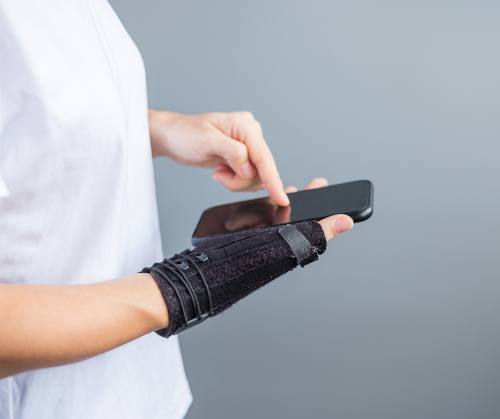
While non-surgical approaches are highly effective for many people, there are cases where surgery may be necessary—especially when symptoms have progressed or conservative care has failed to provide lasting relief.
Signs That May Indicate Surgical Consideration:
- Constant numbness, especially during the day
- Noticeable muscle wasting at the base of the thumb
- Weak grip strength interfering with basic tasks (e.g., opening jars)
- No improvement after several months of non-invasive care
In these cases, surgery aims to release the transverse carpal ligament to relieve pressure on the median nerve. While generally successful, surgery comes with risks such as incomplete resolution, scar sensitivity, and nerve damage. Recovery can take several months, and symptoms may persist if nerve damage was advanced before the operation.
That’s why our approach is to exhaust all science-based, conservative options first—especially in mild to moderate cases. Many of our patients achieve excellent results through natural treatment modalities and never require surgery.
What to Expect at Evolution Medical Care
Our care begins with a comprehensive assessment—including a thorough history, physical examination, and evaluation of lifestyle and contributing factors. We’ll look beyond the symptoms to identify what’s driving your carpal tunnel syndrome—be it inflammation, posture, stress, or hormonal imbalances.
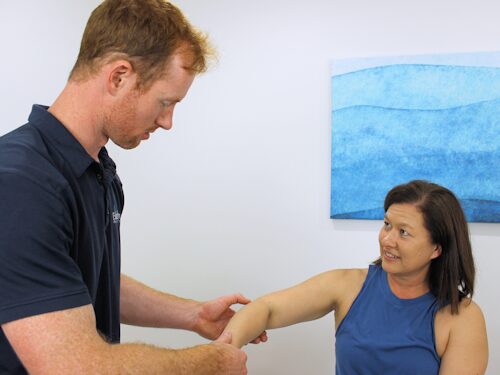
Your Personalised Plan May Include:
- Acupuncture to support nerve recovery and reduce pain
- Herbal prescriptions to address systemic inflammation and metabolic contributors
- Nutritional support to optimise cellular and nerve health
- Gentle manual therapy and exercise guidance to promote flexibility and mobility
- Education on ergonomic and lifestyle changes to reduce aggravation
Each treatment plan is tailored to your presentation, preferences, and health goals. We work alongside your GP or specialist when needed to ensure a collaborative and safe approach.
Final Thoughts: You Don’t Have to Live With It
Carpal tunnel syndrome can feel limiting, especially when it affects your work, sleep, or hobbies. But it doesn’t have to control your life.
By understanding the root causes, using science-based natural therapies, and making meaningful changes to your daily habits, you can restore function and reclaim comfort in your hands.
At Evolution Medical Care, we combine the best of traditional wisdom and modern knowledge to offer a gentle, effective approach to carpal tunnel relief. We’re here to listen, support, and guide you through your recovery—step by step.
Looking for Relief?
If carpal tunnel symptoms are interfering with your daily life, we can help. At Evolution Medical Care, we offer science-backed natural treatments tailored to your needs.
Book online or give us a call at (02) 4709 6727 — we look forward to discussing how we can help in your situation.