
Quick Summary
Shingles is a painful condition marked by nerve irritation, inflammation, and lingering discomfort. While antiviral medications are essential in managing the virus, many patients benefit from additional support. Natural therapies—such as cool baths, soothing herbal creams, Acupuncture, and targeted nutritional support—can help ease symptoms and promote recovery. It’s important to avoid harsh home remedies like various creams, undiluted vinegar or essential oils, which may worsen the condition. A holistic approach that includes immune support, effective stress management, and quality sleep plays a vital role in recovery. At Evolution Medical Care, we offer integrative, evidence-based treatments to help you heal naturally and comfortably.
Introduction
Shingles, also known as Herpes Zoster, is a painful condition caused by the reactivation of the varicella-zoster virus—the same virus responsible for chickenpox. After lying dormant in the nervous system for years, the virus can flare up later in life, often triggered by stress, immune suppression, or ageing. The resulting rash, burning pain, and nerve irritation can significantly disrupt daily life and linger long after the visible symptoms fade.
While antiviral medications prescribed by healthcare professionals are essential for managing the virus itself, many people seek additional ways to relieve pain and discomfort during recovery. At Evolution Medical Care, we understand the need for comprehensive, patient-centred care. This article explores science-based complementary therapies that can help soothe symptoms, promote healing, and support the immune system.
Understanding the Problem: What Makes Shingles So Painful?
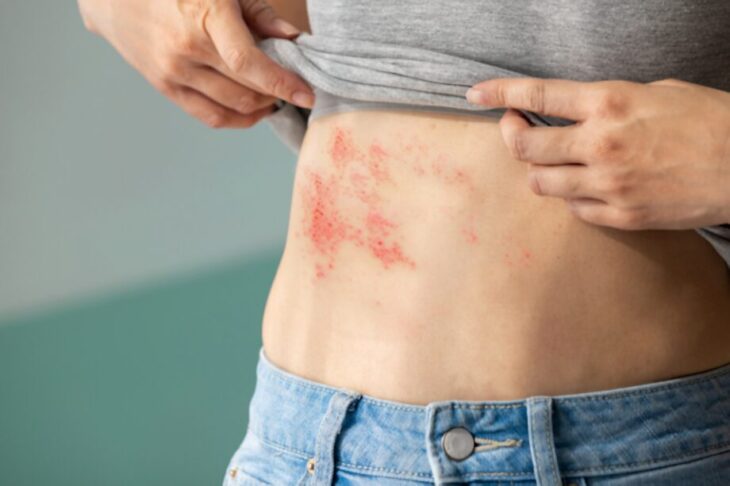
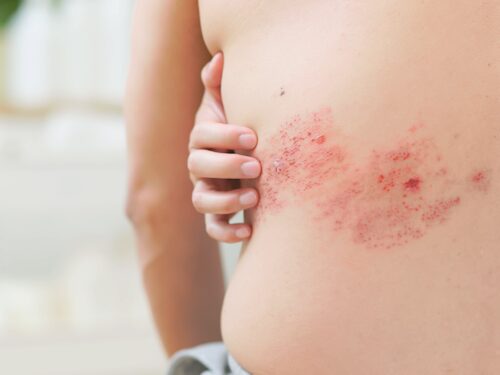
Shingles typically begins with pain, tingling, or burning in a specific area, followed by the appearance of a blistering rash. This pain is not just skin-deep—it originates in the nerves. When the varicella-zoster virus reactivates, it causes inflammation of the nerve roots, triggering an intense and sometimes debilitating pain response.
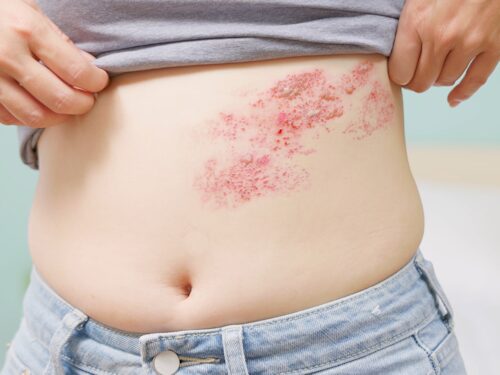
The discomfort associated with shingles is largely due to disruptions in the nervous system. As the virus travels along nerve pathways, it irritates the affected sensory nerves, leading to symptoms such as:
- Burning or shooting pain
- Tingling or numbness
- Extreme skin sensitivity
- Fluid-filled blisters that crust over
For some individuals, this nerve irritation doesn’t stop once the rash heals. A condition known as postherpetic neuralgia (PHN) can develop, where damaged nerve fibres continue to send exaggerated pain signals to the brain. This chronic pain can persist for weeks, months, or even years after the initial shingles episode.
On a biochemical level, your body reacts to the shingles virus by releasing natural signalling proteins called cytokines. These proteins are part of the immune system’s defence mechanism and help fight off infection by triggering inflammation. However, if too many cytokines are released, the inflammation can become prolonged and start to irritate the nerves even more, making pain worse. This ongoing irritation can also disrupt the balance of brain chemicals—called neurotransmitters—that regulate pain signals and mood. In addition, it can overstimulate certain nerve pathways known as opioid receptors, which normally help control pain, but when overwhelmed, can actually make the sensation of pain feel stronger and harder to manage.
The Aggravating Factors: What Makes It Worse?
Several lifestyle and environmental factors can intensify the severity and duration of shingles symptoms. Understanding and avoiding these aggravators is crucial in supporting a smoother recovery.
Dietary Triggers and Inflammation
Highly processed foods, especially those rich in white sugar, trans fats, and refined carbohydrates, can worsen inflammation. These substances increase oxidative stress and disrupt the balance of essential nutrients needed for healing, impairing the immune system’s ability to contain the virus.
Stress and Hormonal Disruption
Chronic stress activates the body’s sympathetic nervous system, elevating cortisol levels and suppressing immune function. This hormonal imbalance not only increases the likelihood of shingles reactivation but also hampers recovery by maintaining a pro-inflammatory state.
Poor Sleep and Fatigue
Quality sleep is essential for immune regulation and tissue repair. Disturbed sleep patterns can alter GABA levels, a calming neurotransmitter that plays a role in pain modulation and nervous system balance.
Other Aggravating Factors
- Smoking, which compromises vascular and immune health, reducing the body’s ability to fight infection and repair nerve tissue.
- Excess alcohol intake, which weakens immune function, disrupts sleep, and increases inflammation, all of which can slow recovery.
- Overexposure to heat or sunlight on the affected skin, which can worsen inflammation, increase pain sensitivity, and delay skin healing.
- Scratching or irritating the rash, leading to secondary infections that further inflame the skin and may deepen nerve involvement, increasing the risk of long-term pain.By recognising these triggers, individuals can make informed lifestyle choices that reduce their symptoms and support the effectiveness of complementary therapies.
Soothing Solutions: Natural Therapies for Relief
When it comes to managing the pain and discomfort of shingles, integrating natural strategies with science-based treatments can be highly effective. While these approaches won’t eliminate the virus, they offer tangible relief and promote a more comfortable healing process.
Therapeutic Baths
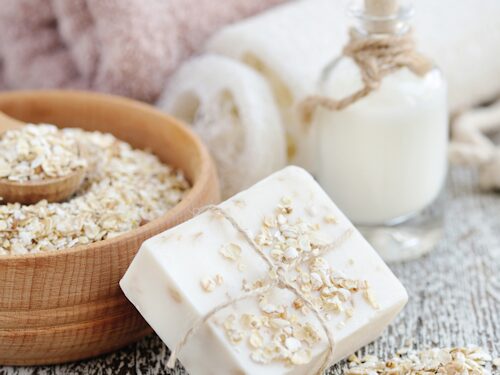
One of the simplest yet most effective home remedies for shingles involves therapeutic bathing. Soaking in a cool or lukewarm bath infused with colloidal oatmeal or cornstarch can reduce itching, calm irritated skin, and lower local inflammation.
Colloidal oatmeal is rich in flavonoids and saponins, which have been shown to modulate inflammatory pathways and support the skin’s natural barrier. These compounds may influence cytokine activity, helping to reduce the immune-mediated skin response that contributes to pain and redness.
To maximise benefits:
- Avoid hot water, which increases blood flow and can worsen blisters
- Gently pat the skin dry with a clean towel – avoid rubbing the skin
- Launder towels immediately after use to prevent viral spread
Cool Compresses
Cool compresses can be applied several times daily to reduce inflammation, burning, and pain. A natural cotton cloth soaked in cool (not cold) water offers gentle relief without overstimulating already-sensitive skin.
Some protocols suggest adding diluted white vinegar or witch hazel to the compress, both of which may offer antimicrobial or anti-inflammatory benefits. Witch hazel, in particular, has demonstrated effectiveness in calming irritated skin by acting on vasoactive compounds and reducing superficial swelling.
Key reminders:
- Always use a clean cloth for each compress
- Avoid ice packs or freezing temperatures
- Discontinue any compress that causes burning or discomfort
Herbal and Essential Oil Applications
Certain essential oils and herbal extracts have been studied for their pain-relieving, antiviral, and wound-healing properties.
Common options include:
- Gentiana scabra – reduces inflammatory cytokines and appears to outperform standard painkillers in postherpetic neuralgia relief
- German chamomile oil – contains apigenin, an antioxidant with anti-inflammatory and antimicrobial actions
- Tea tree oil – promotes wound healing and has antiviral properties (though studies focus more on herpes simplex)
- St. John’s Wort – analgesic and antiviral properties; may modulate neurotransmitter activity linked to nerve pain
Essential oil safety tips:
- Always dilute with a carrier oil (e.g., jojoba or almond oil)
- Conduct a patch test before wider application
- Avoid applying oils to open blisters
Lifestyle Modifications That Enhance Healing
Complementary therapies are most effective when paired with sustainable lifestyle habits that support immune recovery and reduce the risk of flare-ups or complications.

Nutrition for Immune Support
A robust immune system is essential for viral control and tissue repair. Specific nutrients play vital roles in reducing inflammation and promoting resilience.
Foods that help:
- Brightly coloured fruits and vegetables: rich in carotenoids, vitamin C, and polyphenols
- Leafy greens and legumes: sources of B vitamins and iron
- Wild-caught fish and flaxseed oil: high in essential fatty acids that downregulate inflammatory prostaglandins
- Poultry, eggs, and dairy: provide lysine, which may help inhibit viral replication
Foods to limit or avoid which can increase inflammation, suppress your immune system, and interfere with healing:
- Excessive sugar and high-fructose corn syrup
- Highly processed foods with trans fats
- Alcohol and caffeine in large quantities
Stress Management
Stress reduction is a critical aspect of shingles recovery. Chronic psychological stress raises cortisol levels, alters the sympathetic nervous system, and impairs the body’s antiviral defences.
Effective strategies include:
- Deep diaphragmatic breathing
- Gentle movement practices such as tai chi or qigong
- Guided meditation or mindfulness
- Connection with supportive family or social networks
Sleep and Hormonal Balance
Sleep is often overlooked in shingles recovery, yet it directly impacts immune strength, nerve repair, and emotional wellbeing.
During sleep, the body produces melatonin, a hormone that regulates circadian rhythms and supports immune function. It also boosts the activity of GABA, a calming neurotransmitter that dampens pain signals and reduces anxiety.
Poor sleep can:
- Increase sensitivity to pain
- Delay nerve regeneration
- Prolong inflammation
Tips for restorative sleep:
- Avoid screens at least one hour before bed
- Keep a regular bedtime schedule
- Create a cool, dark, quiet sleep environment
- Use herbal teas like chamomile or lemon balm if needed
Cautions and Myths: What to Avoid
In the quest for natural pain relief, it’s easy to fall prey to misinformation or well-meaning advice that can do more harm than good. When dealing with a viral condition like shingles, safety and evidence-based care should always take precedence.
Avoid These Common Missteps:
- Undiluted essential oils: Can cause severe skin irritation or allergic reactions, especially on inflamed or blistered areas
- Apple cider vinegar directly on the rash: Though popular online, it is too acidic and may worsen burning or cause chemical burns
- Ice packs: Extreme cold can overstimulate the nerves, increasing pain and skin sensitivity
- Heavy ointments or excessive lotions: These may trap moisture, preventing blisters from drying and healing properly
- Corticosteroid creams: Often misused; their immunosuppressive effect can delay healing if applied without medical guidance
It’s also important to steer clear of unverified remedies that promise to “cure” shingles. There is currently no cure—only management strategies that assist the body in reducing symptoms and preventing complications like postherpetic neuralgia.
Whenever trying a new treatment, especially herbal or over-the-counter options, consult with a healthcare professional to ensure it’s safe for your situation and won’t interact with prescribed medications.
Recovery Timeline and When to Seek Help
While many people recover from shingles within 2 to 6 weeks, the experience can vary greatly depending on age, immune status, and whether complications arise.
Typical Healing Stages:
- Prodrome phase: Tingling, sensitivity, and localized pain begin
- Active rash phase: Red patches evolve into fluid-filled blisters
- Crusting stage: Blisters scab over; pain may persist
- Healing and resolution: Scabs fall off, but nerve pain may linger
Seek Medical Attention If You Experience:
- Blisters near the eyes, which can threaten vision
- Spreading rash or signs of bacterial infection (pus, increased redness, fever)
- Severe or worsening pain that isn’t relieved with current treatment
- Symptoms lasting longer than six weeks
- Signs of nerve involvement beyond the initial rash (e.g., muscle weakness, confusion)
Even when pursuing natural relief strategies, ongoing communication with your doctor ensures you receive appropriate care, particularly for pain management and antiviral medication in the early stages.

Our Integrated Approach to Natural Pain Relief
At Evolution Medical Care, we specialise in science-based complementary therapies designed to work alongside your medical treatments—not in place of them.
Our approach to shingles recovery is rooted in a deep understanding of biochemistry, the nervous system, and the body’s natural ability to heal when supported appropriately.
Treatments We Offer May Include:
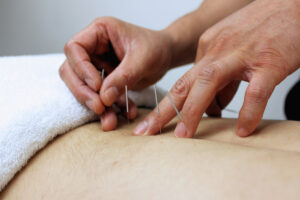
- Acupuncture: Modulates neurotransmitters, promotes endorphin release, and helps rebalance the sympathetic and parasympathetic nervous systems
- Herbal Medicine: Prescriptions are tailored to the individual and designed to support immune system function, reduce inflammation, and relieve pain
- Cupping Therapy: Improves local blood flow and relieves tension in surrounding muscle groups
- Dietary and Lifestyle Guidance: Based on modern nutritional science and Traditional Chinese Medicine principles
We understand that shingles can be an overwhelming experience—physically, emotionally, and mentally. Our clinicians are here to provide compassionate care using safe, evidence-informed modalities to support you through every stage of recovery.
Are You or Someone You Know Looking for Relief?
If you or a loved one is struggling with the pain of shingles, we invite you to book a consultation online or call us at (02) 4709 6727. We look forward to discussing how we can help in your situation—gently, effectively, and naturally.