


Summary
Stress is inevitable, but chronic unmanaged stress destroys health increasing risk of heart disease, autoimmune disorders, digestive problems, anxiety, depression, and premature aging. Rather than accepting stress as unavoidable, evidence-based techniques can dramatically reduce stress levels and restore nervous system balance. The most effective approach combines lifestyle modifications (exercise, sleep, and nutrition), mind-body practices (meditation, yoga, and breathing), social connection, and targeted treatments like Acupuncture and Herbal Medicine. We help you identify your personal stress triggers, understand stress’s impact on your body, and develop sustainable strategies to manage stress naturally and build genuine resilience.
The Stress Epidemic
Stress has become so normalised in modern life that many people accept chronic anxiety, racing thoughts, and physical tension as inevitable. We push through, self-medicate with caffeine and alcohol, and wonder why we’re exhausted despite ‘resting.’ The truth is stark: chronic stress is one of the most damaging factors affecting modern health. Unmanaged stress increases risk of heart disease, stroke, autoimmune disorders, digestive problems, mental health disorders, hormonal dysfunction, skin conditions, and premature aging. It’s not just uncomfortable it’s literally killing us. Yet stress management isn’t complicated or expensive. Science-backed methods exercise, meditation, breathing practices, social connection, and specific treatments like Acupuncture can profoundly reduce stress and restore nervous system balance.
The key is understanding stress’s impact on your body and implementing consistent practices rather than relying on temporary ‘stress relief’ that doesn’t address root causes. This article explores stress’s physiology, its cascading health effects, and practical, evidence-based strategies to manage stress naturally and build true resilience.
Understanding Stress: The Good, The Bad, and The Chronic
Stress isn’t entirely harmful. Small amounts of stress called ‘eustress’ or good stress can boost energy, sharpen focus, and enhance performance. Facing a work deadline, preparing for an important event, or learning something new can provide productive stress that motivates action. The problem develops when stress becomes chronic constant, unrelenting, and overwhelming. This chronic stress, or ‘distress,’ fundamentally damages health.
The Stress Response:
When you perceive a stressor (real or imagined), your brain’s hypothalamus triggers the sympathetic nervous system your ‘fight or flight’ response. This ancient survival mechanism is designed for acute threats: a predator attack, physical danger, immediate threat. During this response, your body rapidly mobilises resources: adrenaline and cortisol flood your system, your heart rate increases, blood flow redirects to muscles, digestion shuts down, and your mind sharpens for immediate action. This response is brilliant for acute threats. The problem: modern stressors aren’t acute physical threats.
They’re chronic psychological pressures work deadlines, financial worries, relationship tensions, health anxiety that keep your nervous system in ‘fight or flight’ mode for months or years. Your body remains in a state of mobilisation, burning through resources, unable to rest or repair. Meanwhile, your parasympathetic nervous system your ‘rest and repair’ system remains suppressed. This system is responsible for digestion, immune function, hormone production, and cellular repair. When chronically suppressed, every system suffers.

How Chronic Stress Damages Your Body
The effects of unmanaged chronic stress are extensive and severe:
Nervous System Dysregulation:
Your nervous system becomes hyper excitable, remaining in ‘fight or flight’ mode even when no threat exists. You become sensitive to minor stressors, anxious without clear cause, and unable to relax. Sleep suffers. Anxiety increases. Mental health deteriorates.
Cardiovascular Damage:
Chronic stress elevates blood pressure, increases heart rate, and raises cholesterol. Over time, this damages blood vessels, increases heart attack risk, and raises stroke risk. Stress is a major contributor to cardiovascular disease.
Immune Suppression:
Stress hormones suppress immune function. Your body becomes more vulnerable to infections, colds, and illnesses. Additionally, chronic stress can trigger autoimmune disorders conditions where your immune system attacks your own tissues. Research shows that up to 80% of people with autoimmune diseases report extreme emotional stress before symptom onset.
Digestive Dysfunction:
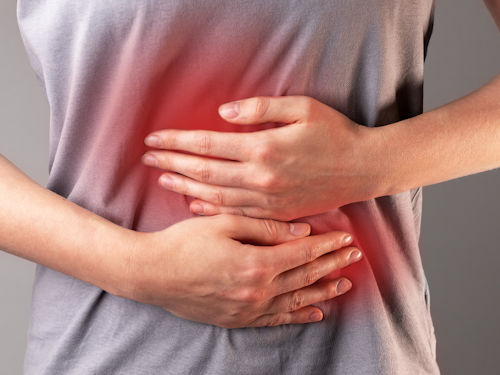
Stress shuts down digestion and increases stomach acid production. Chronic stress leads to ulcers, indigestion, irritable bowel syndrome, constipation, diarrhea, and bloating.
The gut-brain connection is profound:
stress damages digestion; poor digestion increases anxiety.
Hormonal Disruption:
Stress disrupts hormone production. In women, this manifests as irregular menstruation, painful periods, and reduced fertility. In men, chronic stress decreases testosterone. Stress also impairs insulin regulation, increasing diabetes risk.
Mental Health Deterioration:
Chronic stress triggers anxiety, depression, and other mental health disorders. The relationship is bidirectional: stress causes mental health problems; mental health problems increase stress sensitivity.
Accelerated Aging:
Chronic stress literally shortens your telomeres (protective caps on chromosomes), accelerating cellular aging. Stressed individuals show accelerated biological aging.
Sleep Disruption:
Stress prevents quality sleep, creating a vicious cycle where poor sleep increases stress sensitivity, which worsens sleep, which increases stress further.
Natural Techniques to Manage Stress
The most effective stress management combines multiple approaches working together. Rather than seeking a single ‘stress relief’ solution, think of building a toolkit of practices you can use consistently.
1. Physical Activity
Exercise is one of the most powerful stress relievers available. Physical activity pumps up endorphins your body’s natural feel-good chemicals while simultaneously reducing stress hormones. Exercise also refocuses your mind on your body’s movements, providing mental distraction from worries.
The type of exercise matters less than consistency. Whether you walk, run, swim, cycle, dance, garden, or play sports, regular movement reduces stress. Aim for at least 150 minutes of moderate-intensity exercise weekly, plus two days of strength training. Even gentle activities like walking provide measurable stress reduction.
2. Nutrition Optimisation
What you eat profoundly affects your stress resilience. A diet high in ultra-processed foods and sugar increases stress perception and impairs your ability to cope with stress. Conversely, whole foods rich in nutrients particularly magnesium and B vitamins support your nervous system and stress response. Prioritise vegetables, fruits, whole grains, legumes, nuts, seeds, and fish. These foods provide nutrients essential for neurotransmitter production, hormone regulation, and nervous system function. Additionally, avoid excessive caffeine and alcohol, both of which worsen stress and anxiety.
3. Sleep Prioritisation
Sleep is when your brain and body repair and recharge. During sleep, your parasympathetic nervous system activates, stress hormone levels drop, and cellular repair accelerates. Chronic sleep deprivation impairs your ability to manage stress a vicious cycle where stress prevents sleep, and poor sleep increases stress sensitivity. Aim for 7-9 hours nightly. Establish a consistent sleep schedule, create a cool dark bedroom, avoid screens before bed, and develop a relaxing bedtime routine. Quality sleep is foundational to stress resilience.
4. Breathing Practices
Your breathing directly reflects and influences your nervous system state. When stressed, breathing becomes shallow and rapid. Slow deep breathing activates your parasympathetic nervous system, signaling safety to your body. Simple breathing techniques diaphragmatic breathing (breathing deeply into your belly), box breathing (inhale-4, hold-4, exhale-4, hold-4), or alternate nostril breathing can be done anywhere, anytime. Even 5-10 minutes of deep breathing reduces stress hormones and activates calm.
5. Meditation and Mindfulness
Meditation quiets the racing thoughts driving stress and anxiety. By focusing your attention on your breath or present moment awareness, you interrupt the stress cycle. Regular meditation reduces cortisol, lowers blood pressure, and decreases anxiety. You don’t need to meditate for hours. Even 10-20 minutes daily provides measurable benefits. Guided meditation apps, online classes, or simple breath-focused meditation work equally well.
6. Yoga
Yoga combines physical movement, breathing, and mindfulness addressing stress from multiple angles. Research shows yoga reduces stress hormones, lowers cortisol, decreases blood pressure and heart rate, and increases GABA (a calming neurotransmitter). Gentle yoga styles are particularly beneficial for stress management.
7. Social Connection
One of the most powerful stress buffers is social connection. Time with supportive friends and family reduces stress, provides perspective, and offers emotional support. Conversely, isolation intensifies stress and anxiety. Prioritise regular connection with people you care about. Volunteer, join groups, attend community events, or simply have coffee with friends. Even brief social interaction reduces stress.
8. Boundaries and Time Management
Much stress comes from over commitment and inability to say no. Learning to set boundaries declining requests that don’t align with your priorities, delegating tasks, and protecting time for yourself dramatically reduces stress. Similarly, prioritising your to-do list and concentrating on high-impact tasks reduces the overwhelm of trying to do everything. Accept that you cannot accomplish everything; focus on what truly matters.

How Acupuncture and Chinese Medicine Support Stress Relief
Acupuncture is highly effective for stress management. When needles stimulate specific points, they activate your parasympathetic nervous system and trigger endorphin release. Many people fall asleep during Acupuncture a sign of deep parasympathetic activation. Additionally, Acupuncture regulates stress hormones, reduces cortisol levels, and helps rebalance your autonomic nervous system.
Regular treatment teaches your nervous system to remain calm even during stress. Chinese Herbal Medicine complements Acupuncture by prescribing herbs that calm the nervous system, support sleep, reduce anxiety, and improve stress resilience. Herbs selected for stress management increase energy, boost immune function, and promote relaxation. Cupping Therapy often combined with Acupuncture releases physical tension accumulated during stress. When stressed, muscles tighten, particularly in the neck, shoulders, and back. Cupping releases this tension while calming your nervous system.

Ready to Reclaim Calm and Resilience?
Chronic stress doesn’t have to be your baseline. Whether you’re experiencing overwhelming anxiety, physical tension from stress, sleep disturbances, or digestive issues triggered by worry, evidence-based stress management can transform your health. We combine Acupuncture, Chinese Herbal Medicine, stress management training, and lifestyle guidance to address stress comprehensively. Rather than temporary relief, we help you build genuine resilience the capacity to handle life’s challenges without your nervous system becoming dysregulated.
You don’t need to white-knuckle through life. You don’t have to accept chronic anxiety as inevitable. By addressing stress systematically through nervous system rebalancing, lifestyle modifications, and targeted treatments you can restore calm, improve health, and reclaim your quality of life.
Book your personalised stress assessment online or call us on (02) 4709 6727. We look forward to discussing how we can help you manage stress effectively and restore the calm, resilience, and vitality that are your birthright.