

Quick Summary
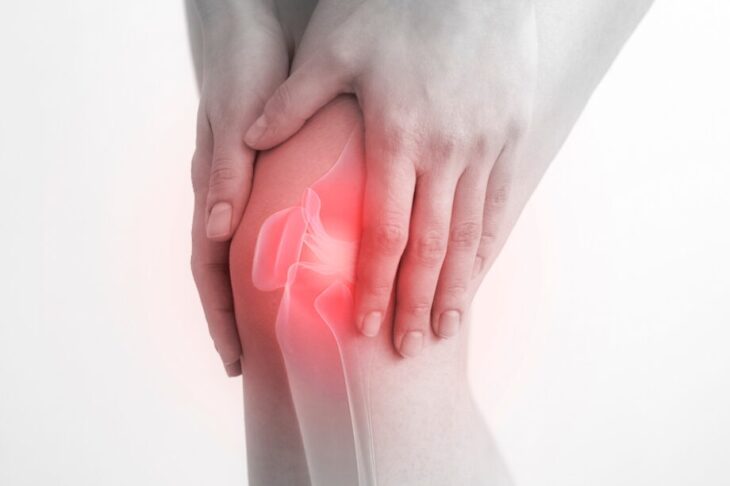
Rheumatoid arthritis (RA) is a chronic autoimmune condition that causes joint inflammation, pain, stiffness, and can affect multiple organs. While medications are key, research shows that lifestyle changes and targeted natural therapies can significantly reduce symptoms, protect joints, and improve quality of life. Strategies include:
- Gentle exercise – Improves mobility, lowers inflammatory cytokines, and boosts endorphins.
- Heat & cold therapy – Manages stiffness and swelling.
- Anti-inflammatory diet – Rich in omega-3s, antioxidants, and whole foods.
- Healthy weight management – Reduces strain and inflammation.
- Mindfulness & stress reduction – Supports nervous system balance and immune regulation.
- Massage & Acupuncture – Lowers pain signals, boosts circulation, and moderates inflammation.
- Supportive devices – Protect joints during daily activities.
- Supplements – Fish oil, vitamin D, and others under professional guidance.
- Sleep optimisation – Helps immune repair and pain control.
At Evolution Medical Care, we combine modern medical insight with evidence-based complementary treatments—like Acupuncture, Remedial Massage, nutritional advice, and rehab exercises—to help you move freely and live well with RA.
What is Rheumatoid Arthritis?
Rheumatoid arthritis (RA) is more than just joint pain—it’s a chronic autoimmune condition that can affect your entire body. It develops when the immune system mistakenly attacks the synovial lining of the joints, triggering a cascade of inflammation, swelling, and stiffness. Over time, this process can damage cartilage and bone, leading to reduced mobility and persistent discomfort.
While prescribed medications remain essential to controlling RA’s immune activity, research shows that lifestyle changes and targeted, science-based natural therapies can make a meaningful difference. These strategies can ease symptoms, protect joint health, and improve overall well-being.
At Evolution Medical Care, we combine modern medical insight with evidence-based complementary treatments to help patients manage rheumatoid arthritis from every angle—addressing both the biochemical and mechanical factors that drive symptoms.
Understanding Rheumatoid Arthritis
RA is classified as a systemic autoimmune disease, meaning it doesn’t just affect the joints—it can influence multiple organ systems. The underlying process begins when immune cells misidentify the body’s own joint tissue as harmful. They release cytokines—chemical messengers such as tumour necrosis factor-alpha (TNF-α) and interleukin-6—that drive inflammation.
Chronic inflammation causes the synovial membrane to thicken, producing excess fluid and damaging cartilage and bone. Left untreated, RA can cause deformities and permanent disability.

Common symptoms include:
- Persistent joint pain and stiffness, often worse in the morning or after rest
- Swelling, warmth, and redness around affected joints
- Fatigue, low-grade fever, and a general feeling of discomfort, illness or unease
- Symmetrical joint involvement (e.g., both wrists or both knees)
- In some cases, eye inflammation, lung problems, or cardiovascular risk increases
Biochemical drivers:
- Elevated cytokines promote tissue destruction
- Dysregulated immune system activity sustains inflammation
- Changes in cortisol levels due to chronic stress can amplify immune dysfunction
The Role of the Immune System in RA
In healthy individuals, the immune system identifies and neutralises harmful pathogens while leaving healthy tissues intact. In RA, this recognition system fails. Immune cells begin targeting the synovium, releasing inflammatory proteins like interleukins and tumour necrosis factors. These chemicals trigger other cells to release enzymes that erode cartilage and bone. Oxidative stress from reactive oxygen species (ROS) compounds this damage, creating a self-sustaining cycle of inflammation.
How RA Is Diagnosed
A diagnosis typically involves:
- Blood tests – to check for rheumatoid factor (RF), anti-cyclic citrullinated peptide (anti-CCP) antibodies, and markers of inflammation like ESR and CRP
- Imaging – X-ray, ultrasound, or MRI to identify early joint damage or inflammation
- Clinical assessment – evaluating the number of joints affected, duration of morning stiffness, and associated symptoms
Early detection is essential. Joint erosion can begin within months of symptom onset, making timely intervention critical for long-term mobility.
Why Self-Management Matters
Prescription medications—such as disease-modifying antirheumatic drugs (DMARDs) and biologics—are highly effective in controlling inflammation and slowing RA’s progression. But medication is only part of the picture. The way you move, eat, rest, and manage stress plays a powerful role in shaping your symptoms, energy levels, and long-term joint health.
The Benefits of Supportive Lifestyle Strategies:
- Lower inflammatory cytokine activity
- Improve blood flow to supply nutrients and oxygen to tissues
- Support homeostasis—the body’s balance between systems
- Increase endorphin release to reduce pain perception
- Enhance mood and resilience through nervous system regulation
Home Remedies and Lifestyle Strategies for RA Relief
1. Gentle, Low-Impact Exercise
Movement is essential for keeping joints lubricated, maintaining muscle tone, and improving flexibility. Without regular activity, joints become stiffer and muscles weaker, which can increase pain.
Best Options:
- Aquatic therapy – Water supports body weight, reducing joint strain, while its resistance builds strength safely.
- Tai chi – Enhances balance, coordination, and nervous system regulation.
- Yoga & pilates – Strengthen core muscles, improve posture, and boost blood flow to inflamed tissues.
- Walking or cycling – Maintain cardiovascular health and support weight control without overloading the joints.

Biochemical link: Exercise stimulates endorphins, which bind to opioid receptors in the brain to reduce pain perception, and can lower inflammatory cytokine production.
Practical tip: Start with 10-minute sessions twice a day, gradually increasing to 30 minutes most days. Always warm up for at least 5 minutes to prepare your joints.
2. Heat and Cold Therapy
Temperature-based therapies can offer quick, targeted relief.
- Heat therapy – Causes vasodilation (widening of blood vessels), which increases circulation, relaxes muscles, and improves joint flexibility. Examples include warm showers, moist heat packs, and paraffin wax baths for hands.
- Cold therapy – Causes vasoconstriction (narrowing of blood vessels), slowing circulation to reduce swelling and numbing pain signals. Ice packs or cold gel wraps work well during flares.
Tip: Apply heat before physical activity to prepare joints, and cold after activity to minimise inflammation. Limit each to 15–20 minutes and avoid direct skin contact.
3. Anti-Inflammatory Diet for RA
The foods you eat can directly influence inflammation levels in the body.

Include more:
- Omega-3 fatty acids (salmon, sardines, flaxseed, walnuts) – Reduce cytokine production and inflammation.
- Antioxidant-rich fruits and vegetables (berries, leafy greens, capsicum) – Neutralise reactive oxygen species (ROS) that damage joint tissues.
- Whole grains (oats, quinoa, brown rice) – Associated with lower C-reactive protein, a marker of inflammation.
- Turmeric and ginger – Contain curcumin and gingerol, compounds with proven anti-inflammatory effects.
Limit or avoid: Processed foods, refined sugars, and excessive saturated fats.
Practical step: Keep a two-week food diary to track which foods may trigger or worsen symptoms.
4. Maintain a Healthy Weight
Excess body weight adds stress to weight-bearing joints and contributes to inflammation through the release of adipokines—hormone-like substances from fat tissue that increase inflammatory cytokine activity.
Benefits of weight loss:
- Less mechanical strain on joints
- Improved responsiveness to medications
- Lower overall inflammation levels
How: Pair portion control with nutrient-dense foods and low-impact exercise for gradual, sustainable results.
5. Mindfulness & Stress Management
Chronic stress raises cortisol levels, which can disrupt immune system balance and worsen inflammatory activity. Over time, this can make RA symptoms more intense and more frequent.
Effective techniques include:
- Mindfulness meditation – Brings awareness to the present moment, reducing anxiety and pain perception.
- Deep breathing exercises – Activates the parasympathetic nervous system, promoting homeostasis and lowering heart rate.
- Gentle yoga or stretching – Combines movement with relaxation, easing stiffness while calming the mind.
Tip: Even five minutes of focused breathing or meditation each day can help regulate stress-related biochemical changes that contribute to inflammation.
6. Massage Therapy
Massage, when applied correctly, can have both mechanical and biochemical benefits for people with RA.
Benefits:
- Lowers substance P, a neurotransmitter involved in pain signalling.
- Increases serotonin and endorphin levels, improving mood and pain tolerance.
- Improves circulation and lymphatic drainage, reducing swelling and muscle tightness.
Practical advice: Opt for moderate pressure, and work with a therapist experienced in arthritis care. Self-massage techniques, such as gently kneading the muscles around the affected joints, can also provide relief between sessions.
7. Acupuncture
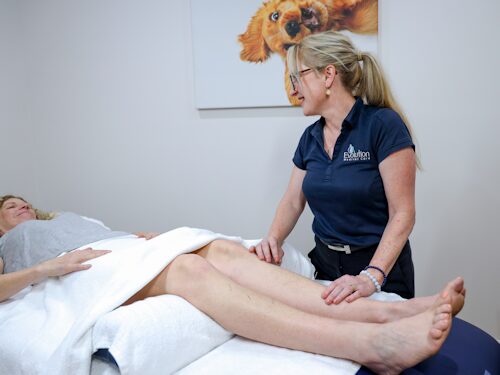
Acupuncture is one of the science-backed natural treatments offered at Evolution Medical Care. Research suggests it can:
- Activate opioid receptors in the brain and spinal cord to reduce pain perception.
- Increase local blood flow, delivering nutrients and oxygen to damaged tissues.
- Regulate immune activity, reducing overactive inflammatory responses.
Treatment approach: Many people benefit from twice-weekly or weekly sessions during active flares, then reduce frequency to every 2–4 weeks for maintenance.
8. Supportive Devices & Ergonomic Tools
Simple tools can make everyday tasks easier and help protect your joints. Examples include:
- Jar openers and ergonomic kitchen utensils
- Cushioned insoles and supportive footwear
- Raised toilet seats and shower chairs
Why it matters: Minimising repetitive strain reduces micro-trauma to inflamed joints, helping to slow the progression of damage over time.
9. Evidence-Based Supplements
Certain supplements may support joint health and reduce inflammation when used alongside medical treatment:
- Fish oil – Rich in EPA and DHA, omega-3 fatty acids that can reduce stiffness and tenderness.
- Vitamin D – Important for bone density and immune system regulation; deficiency is common in RA.
- Evening primrose oil – Contains gamma-linolenic acid, which may have anti-inflammatory effects in some people.
Important: Always check with your healthcare provider before starting supplements to avoid interactions with prescribed medications.
10. Prioritise Sleep Quality
Sleep is when your body repairs and regulates immune function. Poor sleep increases inflammatory cytokine levels and makes pain responses worse.
Tips for better sleep:
- Keep a consistent bedtime and wake-up time.
- Avoid caffeine after midday.
- Reduce screen use in the hour before bed to lower melatonin disruption from blue light.
- Use supportive pillows to maintain comfortable joint positions.
Daily Living Adjustments for RA
Living with RA means planning ahead and making small, smart changes that protect your joints and conserve energy—so daily tasks feel easier and less painful.
At home: Store frequently used items at waist height. Use lightweight and non stick cookware to minimise wrist strain. Install lever-style door handles and taps instead of round knobs. Switch to lightweight cordless vacuums or robot vacuums. Use a trolley or basket on wheels to move laundry or groceries.
At work: Ask for an ergonomic assessment of your workspace, alternate between sitting and standing, and take short breaks every 30–45 minutes to stretch.
When travelling: Book accessible accommodation, pack medication in your carry-on, and plan for rest stops on longer journeys. Wearing supportive footwear and using wheeled luggage can also help minimise joint strain.
When to Seek Professional Help
It may be a good idea to contact your healthcare provider promptly if you experience:
- Persistent joint swelling, redness, or warmth lasting more than three days
- Rapid worsening of pain or mobility
- New systemic symptoms such as fever, unexplained weight loss, or shortness of breath
Early intervention can prevent irreversible joint damage and improve long-term outcomes.
Our Science-Backed Approach at Evolution Medical Care
Our integrated treatment model addresses both the biochemical drivers of RA and the physical demands placed on your joints:
- Acupuncture – Targets pain pathways, reduces inflammation, and regulates the nervous system.
- Remedial massage – Loosens tight muscles, boosts circulation, and reduces stress-related cortisol levels.
- Nutritional support – Tailors anti-inflammatory diets and supplement plans to your needs.
- Rehabilitation exercises – Builds strength and flexibility to protect and stabilise joints.
- Lifestyle coaching – Provides ergonomic and pacing strategies to conserve energy and avoid flare triggers.

Our goals:
- Reduce pain and stiffness
- Improve mobility and function
- Slow or prevent further joint damage
- Enhance overall quality of life
Typical plan: More frequent sessions during flares, then a transition to maintenance care once symptoms stabilise.
Looking for Natural, Professional Support?
Rheumatoid arthritis is a lifelong condition, but it doesn’t have to limit your life. By combining medical treatment with science-based natural strategies, you can reduce inflammation, protect your joints, and improve your comfort.
From gentle exercise and targeted nutrition to Acupuncture and stress management, small, consistent changes can lead to big improvements.
Book an appointment online or call (02) 4709 6727 – let’s create a personalised RA management plan to help you move more freely, feel more comfortable, and live life on your terms.