


Quick Summary
A healthy immune system is not about constant boosting, but about balance, regulation, and recovery. Your immunity is influenced every day by stress, sleep, nutrition, movement, and nervous system function. Chronic stress, poor sleep, and inadequate fuel can weaken immune responses and prolong recovery, while consistent lifestyle habits support resilience. At Evolution Medical Care, immune health is supported through science-based treatments and personalised guidance that help regulate the nervous system, reduce unnecessary inflammation, and support the body’s natural ability to maintain balance and recover efficiently.
Feeling Unwell?
If you seem to catch every cold that goes around, feel run down more often than you would expect, or notice you take longer to recover from illness than others, you are not alone. Many people assume frequent illness is simply a matter of bad luck or exposure, but in reality, how your body responds to infections is strongly influenced by how well your immune system is functioning at the time.
The immune system is not something that switches on only when you are sick. It is active every day, monitoring for threats, repairing tissue, and maintaining internal balance. When this system is under strain, whether from stress, poor sleep, inadequate nutrition, or ongoing inflammation, your ability to fend off illness and recover efficiently can be reduced.
At Evolution Medical Care, we focus on supporting immune health through science-based treatments and lifestyle strategies that help the body regulate itself more effectively. Rather than trying to aggressively stimulate immunity, the goal is to support balance, resilience, and recovery. This article explores what the immune system actually needs to function well, why it often struggles in modern life, and how natural strategies can help support it in a sustainable way.
Understanding the Immune System Beyond Fighting Germs
The immune system is a complex network of cells, tissues, and chemical messengers that work together to protect the body from infection while also supporting healing and repair. It includes physical barriers such as the skin and mucous membranes, specialised immune cells that circulate through the blood and lymphatic system, and signalling molecules that coordinate immune responses.
One of the immune system’s most important roles is discrimination. It must recognise what belongs in the body and what does not. When it detects a threat, such as a virus or bacterium, it activates a response designed to eliminate that threat while minimising damage to surrounding tissue. Once the threat has passed, the immune response should quieten down so the body can return to normal function.
This process relies on precise regulation. An immune system that is too weak may fail to control infections effectively. An immune system that is too reactive can contribute to excessive inflammation, tissue damage, or autoimmune activity. For this reason, immune health is best understood as balance rather than brute strength.
Why Balance Matters More Than Boosting
The idea of “boosting” the immune system is common, but it can be misleading. The immune system is not a muscle that simply performs better when pushed harder. In fact, excessive immune activation can be just as problematic as insufficient activity.
Chronic low-grade inflammation is one example of an immune imbalance. It can occur when the immune system remains partially activated for long periods due to ongoing stress, poor sleep, blood sugar instability, or unresolved illness. Over time, this can impair immune efficiency and increase susceptibility to infection rather than reduce it.
A well-functioning immune system is one that can respond appropriately when needed and then settle back into a state of homeostasis. Supporting immune health therefore involves helping the body regulate immune responses rather than forcing them in one direction.
Why We Are More Likely to Get Sick When We Are Run Down
Many people notice a pattern where illness strikes during periods of high stress, poor sleep, or overwork. This is not coincidental. The immune system is closely linked to the nervous system and hormonal signalling, both of which are highly sensitive to lifestyle factors.

Stress, Cortisol, and Immune Function
When the body perceives ongoing stress, it increases production of stress hormones, including cortisol. Short-term increases in cortisol can be helpful, but chronically elevated cortisol levels can suppress aspects of immune function and interfere with immune cell communication.
Prolonged stress can reduce the effectiveness of immune surveillance, slow recovery, and increase vulnerability to infection. It can also disrupt sleep and digestion, further compounding the problem. In this state, the body prioritises immediate survival over long-term repair.
Sleep, Energy, and Immune Demand
Sleep is one of the most important times for immune regulation. During sleep, immune cells communicate, repair processes are activated, and inflammatory signals are recalibrated. Inadequate or disrupted sleep reduces the body’s ability to mount an effective immune response and to resolve inflammation efficiently.
Immune activity also requires energy. When the body is under-fuelled or metabolically stressed, immune cells may not function optimally. This is why people often feel exhausted during illness. The immune system is drawing heavily on the body’s resources.
Lifestyle Foundations That Support Immune Resilience
While exposure to viruses and bacteria is often unavoidable, the way your body responds to those exposures is strongly influenced by everyday habits. Immune health is built gradually through consistent lifestyle inputs rather than quick fixes. These foundations help create an internal environment where the immune system can function efficiently and recover well after challenges.
Nutrition and Immune Function
Immune cells are highly active and require a steady supply of energy and nutrients to function properly. Inadequate intake, restrictive eating patterns, or long gaps between meals can impair immune responsiveness and prolong recovery.
Key nutritional principles that support immune health include:
- Adequate protein intake to support immune cell production and tissue repair
- Regular meals to maintain stable blood sugar and support insulin sensitivity
- A varied diet rich in whole foods to provide essential micronutrients
- Avoiding extreme or highly restrictive diets that place unnecessary stress on the body
Rather than focusing on individual nutrients or supplements alone, overall dietary patterns matter most. Consistency, adequacy, and balance are far more important than chasing specific immune-boosting foods.
Movement, Circulation, and Immune Surveillance
Regular movement plays an important role in immune health by supporting circulation and lymphatic flow. Immune cells travel through the bloodstream and lymphatic system to detect and respond to potential threats. When circulation is sluggish, immune surveillance can be less efficient.

Gentle to moderate physical activity supports immune function by:
- Improving blood flow to tissues and organs
- Assisting lymphatic circulation and waste removal
- Reducing chronic low-grade inflammation
- Supporting metabolic and nervous system regulation
Excessive or overly intense exercise without adequate recovery can have the opposite effect, particularly during periods of stress or poor sleep. For most people, regular low to moderate intensity movement is more supportive than sporadic high intensity training.
The Nervous System and Immune Connection
The immune system does not operate in isolation. It is closely integrated with the nervous system, which plays a major role in determining how the body responds to stress, injury, and infection.
When the body is under prolonged stress, the sympathetic nervous system becomes dominant. This state is useful in short bursts but problematic when sustained. Chronic sympathetic activation can suppress certain immune functions, impair digestion, and disrupt sleep.
In contrast, activation of the parasympathetic nervous system supports rest, repair, digestion, and immune regulation. By slowing your breathing during rest and fostering a sense of safety, you can support your body’s transition into the parasympathetic nervous system.
Neurochemical Signalling and Immunity
Communication between the nervous system and immune system occurs through a complex network of chemical messengers. Neurotransmitters and immune signalling molecules help regulate inflammation, immune cell movement, and tissue repair.
When this communication is disrupted by chronic stress or poor recovery, immune responses can become inefficient or excessive. Supporting nervous system balance is, therefore, a key part of maintaining immune resilience.
Supporting the Immune System Without Overstimulating It
A common mistake in immune health is assuming that stronger always means better. In reality, immune overstimulation can contribute to persistent inflammation, fatigue, and delayed recovery.
A healthy immune system is adaptable. It responds strongly when needed, then settles back into balance once the threat has passed. Supporting this adaptability requires reducing unnecessary stress on the system while providing the resources it needs to function well.
This is why approaches that focus on regulation, recovery, and balance tend to be more effective long-term than strategies aimed at constant immune activation.
Where Science-Based Natural Therapies Fit In
Natural therapies can play a supportive role in immune health when they are used thoughtfully and grounded in physiology. Rather than replacing medical care, they aim to support the body’s regulatory systems so it can respond more effectively to challenges.
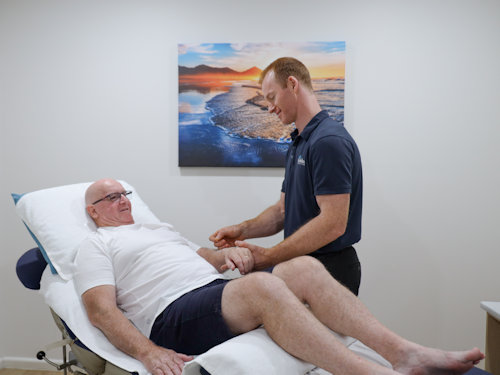
These approaches may help by:
- Reducing nervous system overactivation
- Supporting circulation and tissue oxygenation
- Assisting stress regulation and recovery
- Improving overall resilience during periods of increased demand
How We Support Immune Health at Evolution Medical Care
At Evolution Medical Care, immune support is approached as part of whole person care. We focus on identifying factors that may be placing strain on the immune system and addressing them through individualised, science-based treatments and lifestyle guidance.
This may include Acupuncture to support nervous system regulation and stress recovery, improving circulation, and reducing inflammation, along with tailored advice around sleep, nutrition, and movement. The goal is not to stimulate immunity aggressively, but to help the body return to a more regulated and resilient state.
Each plan is adapted to the individual and adjusted over time as the body responds. Immune health is dynamic, and support should evolve alongside it.
What a Well-Functioning Immune System Looks Like
A healthy immune system is not defined by never getting sick. Instead, it is characterised by appropriate responses and efficient recovery.
Signs of good immune function often include:
- Fewer or shorter illnesses
- Better recovery after infection
- Stable energy levels
- Consistent sleep patterns
- Reduced background inflammation
When these elements are present, the immune system is generally functioning in a coordinated and balanced way.

Practical Takeaways to Support Immune Health
Small, consistent actions often have the greatest impact over time:
- Prioritise regular, restorative sleep
- Eat consistently and adequately
- Manage stress load where possible
- Move your body most days
- Seek support early when feeling run down
Taking the Next Step
Supporting your immune system is about building resilience, not chasing quick fixes. With the right foundations and appropriate support, the body is often very capable of regulating itself and recovering well.
If you would like to explore how a personalised, science-based approach may support your immune health, you can book an appointment online or call us at (02) 4709 6727. We look forward to discussing how we can help in your situation.