
Quick Summary
Lower back pain is extremely common and rarely caused by serious damage. Most cases improve with the right combination of movement, education, and appropriate care rather than rest alone or quick fixes. Medications may help short term, but do not address the underlying drivers of pain. Stretching and strengthening can be helpful when used correctly, but one size fits all programs often fall short. Effective recovery focuses on restoring movement confidence, regulating the nervous system, and supporting long-term function. At Evolution Medical Care, lower back pain is managed using science-based treatments tailored to the individual, with an emphasis on recovery, resilience, and prevention.
Why Lower Back Pain Is So Common
Lower back pain is one of the leading causes of disability worldwide and affects people of all ages. For some, it appears suddenly after lifting or bending. For others, it develops gradually and becomes a recurring or persistent issue that interferes with work, sleep, and daily life.
One of the reasons lower back pain is so frustrating is the sheer amount of conflicting advice available. Some sources recommend rest, others insist on exercise. Some suggest scans and injections, while others advise waiting it out. This confusion often leads people to delay care or try multiple approaches without clear guidance.
A key reason for this confusion is that lower back pain is rarely caused by a single factor. In most cases, it reflects a combination of movement habits, stress load, tissue sensitivity, and how the nervous system processes pain. Understanding this broader picture is essential for choosing treatments that actually help.

Understanding Lower Back Pain Beyond Structure
One of the most important things to understand about lower back pain is that pain does not always equal injury. In fact, the majority of lower back pain is classified as non-specific, meaning there is no clear structural cause that explains the symptoms.
Imaging, such as X-rays or MRI scans, often show changes like disc bulges or degeneration, even in people with no pain at all. These findings are common as we age and do not automatically explain symptoms. This is because pain is not produced by tissues alone. It is processed and interpreted by the brain based on signals from the body, previous experiences, and perceived threat.
When pain persists, the nervous system can become more sensitive, amplifying signals that would not normally register as being painful. This process is influenced by stress, sleep quality, emotional load, and ongoing inflammation, which helps explain why pain can linger even after tissues have healed.
Inflammation and Sensitisation
Inflammation plays a role in many cases of acute lower back pain, particularly after strain or injury. In the short term, inflammation is part of the healing process. Problems arise when inflammatory signalling remains active longer than necessary.
Chemical messengers such as cytokines (small proteins that help control the growth and activity of immune cells and blood cells) can increase pain sensitivity and affect how the nervous system responds to movement and load. When this happens, even normal activities like sitting, standing, or walking can trigger discomfort.
This does not mean damage is ongoing. It means the system is irritated and protective. Effective treatment focuses on calming this response and restoring confidence in movement rather than avoiding activity altogether.
When Rest Helps and When It Makes Things Worse
Short periods of rest can be helpful during the initial phase of acute lower back pain, particularly when movement is very painful. However, prolonged rest has consistently been shown to delay recovery.
Extended inactivity leads to:
- Reduced muscle support around the spine
- Increased stiffness and sensitivity
- Lower confidence in movement
- Greater risk of pain becoming persistent
Avoiding movement also reinforces the idea that the back is fragile, which can increase fear and tension. Over time, this fear avoidance pattern can contribute to ongoing pain even when tissues are capable of handling load.

Staying Active Without Overdoing It
Modern guidelines consistently recommend staying active within tolerable limits. This does not mean pushing through severe pain or ignoring symptoms. It means continuing gentle, meaningful movement that keeps the system engaged.
Helpful activity principles include:
- Gradual return to normal movement
- Avoiding long periods in one position
- Choosing movements that feel safe and manageable
- Building tolerance rather than chasing pain relief
Movement sends important signals to the nervous system that the body is safe, helping to reduce sensitivity and support recovery.
Medications for Lower Back Pain: What They Can and Cannot Do
Medications such as anti-inflammatory drugs can be useful in the short term for reducing pain and improving comfort. These medications work by influencing inflammatory pathways, including prostaglandins; hormone-like molecules made in tissues that act locally to help cells respond to injury and stress, and regulate inflammation and pain.
When pain is severe, short-term medication can make it easier to move, sleep, and engage in rehabilitation. In this context, medication acts as a support rather than a solution.
Limitations and Risks of Medications
Medications do not address the underlying drivers of most lower back pain. They do not improve movement patterns, reduce nervous system sensitivity, or build strength and resilience.
Long-term reliance on medication can:
- Mask symptoms without improving function
- Increase side effects
- Delay active recovery
For most people, medications are most helpful when used temporarily alongside movement-based care and education.
Stretching for Lower Back Pain: Helpful or Harmful?
Stretching is commonly recommended for lower back pain, but its effectiveness depends on how and when it is used.
When Stretching Can Help
- Reduce muscle guarding
- Improve comfort during movement
- Support circulation and blood flow
Stretching may be particularly helpful when stiffness is a dominant feature and movement feels restricted.
When Stretching Can Worsen Symptoms
Stretching can be counterproductive when tissues are already irritated or when pain is driven by sensitivity rather than tightness. Aggressive or repeated stretching may increase symptoms if it reinforces threat or discomfort.
This is why blanket stretching routines often fail. Stretching should be purposeful, targeted, and part of a broader plan rather than the only strategy.
Strengthening the Back and Core: A Key Part of Recovery
While stretching can improve comfort, long-term recovery from lower back pain depends far more on strength and control. The spine is designed to move and tolerate load, but it relies on surrounding muscles to distribute forces efficiently.
Strengthening helps by:
- Improving spinal support during daily activities
- Increasing tolerance to bending, lifting, and prolonged positions
- Reducing the likelihood of recurrent flare-ups
Importantly, strengthening does not mean rigid core bracing or endless abdominal exercises. Effective programs focus on functional strength that supports natural movement rather than restricting it.
What Type of Strengthening Works Best
Research consistently shows that no single exercise program is superior for everyone. What matters most is that strengthening is:
- Gradual and progressive
- Matched to the individual’s current capacity
- Relevant to daily activities and work demands
Exercises that improve hip strength, trunk endurance, and movement coordination tend to be more helpful than isolated muscle training alone. Adherence also plays a major role. People recover better when they choose exercises they feel confident performing and can maintain over time.
The Role of the Nervous System in Recovery
Lower back pain is not just a mechanical issue. The way pain is processed and regulated by the nervous system has a significant influence on recovery.
When pain persists, the nervous system can remain in a heightened protective state. This increases muscle tension, limits movement, and amplifies pain signals. Supporting recovery, therefore, involves helping the system shift out of constant alert mode.
Chemical messengers such as neurotransmitters and natural pain modulators influence how pain is perceived. Treatments and strategies that improve safety and reduce threat can help normalise these responses and reduce pain sensitivity.
Stress, Cortisol, and Muscle Tension
Chronic stress plays an underappreciated role in ongoing lower back pain. Elevated cortisol levels are associated with increased muscle tension, poorer sleep quality, and slower recovery.
When stress is not addressed, even well-designed exercise programs may struggle to produce lasting improvements. This highlights the importance of considering lifestyle factors alongside physical treatment.
Where Science Based Treatments Fit In
For many people, a combination of movement, education, and supportive care leads to the best outcomes. Science-based treatments aim to support recovery by improving regulation rather than forcing change.
These treatments may help by:
- Reducing nervous system overactivity
- Improving circulation and tissue health
- Supporting the body’s return to homeostasis
Hands on care, movement-based therapy, and Acupuncture can be useful components of a broader recovery plan when they are integrated thoughtfully and tailored to the individual.
Why Multimodal Care Works Best
Lower back pain is rarely driven by a single factor. Addressing only one aspect, such as strength or medication, often leads to incomplete results. Multimodal care recognises the interaction between physical load, nervous system sensitivity, stress, and recovery capacity.
By addressing these factors together, recovery is more likely to be sustained rather than temporary.
What Recovery From Lower Back Pain Actually Looks Like
Recovery is rarely linear. Most people experience periods of improvement followed by occasional flare-ups. This does not mean treatment has failed. It reflects the normal process of rebuilding tolerance and confidence.
Signs of meaningful progress include:
- Reduced intensity and frequency of pain
- Faster recovery after flare-ups
- Improved movement confidence
- Greater ability to return to valued activities
Understanding this pattern helps reduce fear and supports long-term success.
When to Seek Further Assessment
Lower back pain does not need to be severe or sinister to benefit from professional care. In fact, outcomes are often better when support is sought earlier rather than waiting for pain to become persistent or limiting.
Seeking care can be helpful if:
- Pain is affecting your ability to work, exercise, or sleep
- Symptoms keep returning or are gradually worsening
- You feel unsure about how to move or exercise safely
- Pain is causing you to avoid activities you normally enjoy
- Self-management strategies have not led to steady improvement
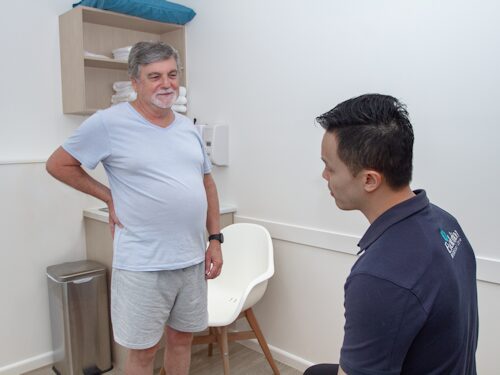
Early assessment helps clarify what is driving the pain and provides reassurance about safe movement. This alone can reduce fear, tension, and nervous system sensitivity, which are key contributors to ongoing symptoms.
While certain red flag symptoms do require urgent medical review, most lower back pain responds well to targeted, conservative care. Clinics experienced in managing lower back pain can help guide recovery through education, movement support, and science-based treatments designed to restore function and confidence.
Addressing lower back pain early often reduces recovery time and lowers the risk of it becoming a recurring or long-term issue.
How We Approach Lower Back Pain at Evolution Medical Care
At Evolution Medical Care, lower back pain is managed through individualised assessment and science-based treatments. We focus on understanding how pain developed, what factors are maintaining it, and what the body needs in order to recover.
Care plans may include movement guidance, supportive therapies, and strategies to improve nervous system regulation and recovery. Treatment evolves as progress is made, ensuring care remains relevant and effective.
Practical Takeaways for Managing Lower Back Pain
Key principles that support recovery include:
- Staying gently active rather than resting excessively
- Using medication thoughtfully and short-term when needed
- Prioritising strength and movement confidence
- Addressing stress and sleep as part of recovery
- Seeking guidance early rather than waiting for pain to persist
Taking the Next Step
Lower back pain can be frustrating and disruptive, but with the right approach, most people recover well. Understanding what helps and what does not can make a significant difference.
If you would like to explore a personalised, evidence-based approach to managing lower back pain, you can book an appointment online or call us at (02) 4709 6727. We look forward to discussing how we can help in your situation.